
Protein is everywhere in the health conversation, but how much do YOU actually need? Let's cut through the noise with simple, science-based answers.
The Numbers That Matter
- Sedentary adults: 0.8g per kg body weight (minimum to prevent deficiency)
- Active individuals: 1.2-1.6g per kg (exercise 3-5x weekly)
- Athletes/heavy exercisers: 1.6-2.2g per kg
- Weight loss: 1.6-2.4g per kg (preserves muscle)
Quick calculation for active people:
- 60 kg person = 72-96g protein daily
- 70 kg person = 84-112g protein daily
- 80 kg person = 96-128g protein daily
As percentage: 20-30% of total daily calories for most active people.
What This Looks Like in Food
High-protein foods:
- 100g chicken breast: 31g
- 1 cup cooked dal: 18g
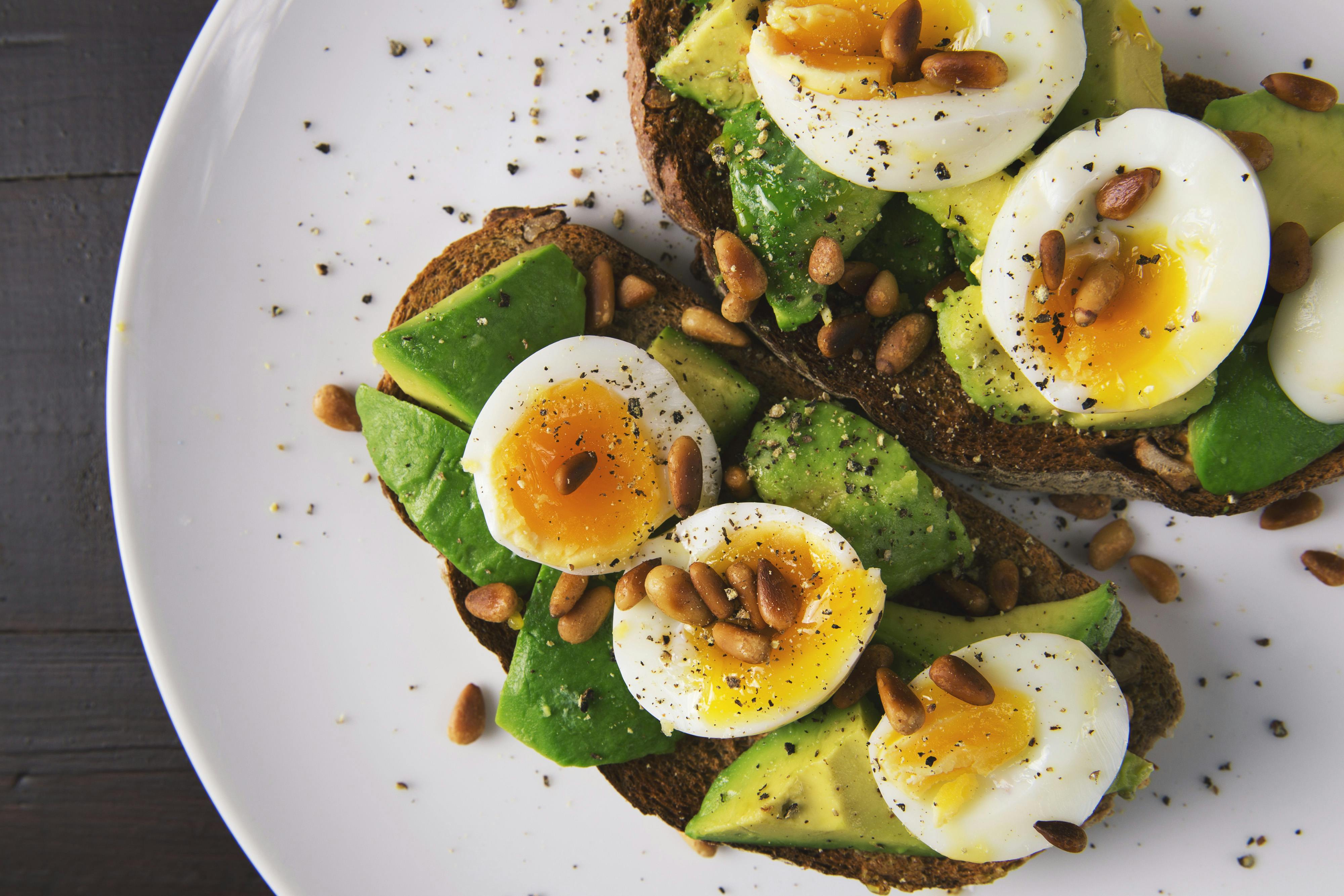
- 2 eggs: 12g
- 1 cup Greek yogurt: 15-20g
- 30g paneer: 7g
- 2 tbsp peanut butter: 8g
Sample Day: 80g Protein
- Breakfast (20g): 2 eggs + 2 whole wheat toast + 1 tbsp peanut butter
- Lunch (25g): 1 cup dal + 2 rotis + vegetables
- Snack (10g): Roasted chana (1/2 cup)
- Dinner (25g): 100g grilled chicken/fish + brown rice + salad
- Total: 80g ✓
Why Protein Matters
- Builds and repairs muscles, skin, hair, nails
- Keeps you full longer than carbs or fats
- Supports immunity and hormone production
- Stabilizes blood sugar when eaten with carbs
- Preserves muscle during weight loss
Spread It Throughout the Day
Aim for 20-30g per meal rather than loading it all at once. Your body can only use about 20-40g per meal for muscle building, the rest is used for energy or other processes.
Ideal distribution:
- Breakfast: 20-30g
- Lunch: 25-35g
- Dinner: 25-35g
- Snacks: 10-15g (1-2 times)
Plant vs. Animal Protein
Both work! Key differences:
Animal proteins: Complete, higher absorption, protein-dense.
Plant proteins: Often incomplete, lower absorption, rich in fibre.
Traditional Indian combos that work: Dal + rice, Rajma + chawal, Chole + roti.
Pro Tips for Hitting Your Goals
- Plan meals around protein first: Ensures you don't shortchange this crucial macro.
- Prep ahead on weekends: Boil eggs, cook dal, grill chicken, ready when you need it.
- Keep convenient options handy: Greek yogurt, roasted chana, paneer cubes, protein bars.
- Choose high-protein versions: Greek yogurt over regular, quinoa over white rice.
- Add protein to existing meals: Nuts on oatmeal, chickpeas in salads, egg with rice.
The Bottom Line
Most people need more protein than they're currently eating.
Your action plan:
- Calculate your needs (body weight in kg × 1.2-1.6)
- Track for 3 days to see where you stand
- Add 10-20g daily until you hit target
- Start today: Add an egg to breakfast, include Greek yogurt as a snack, or add extra dal at lunch.
Small steps lead to big transformations in energy, recovery, and overall health.
Struggling to hit your protein goals?
Our meal plans are nutritionist-designed to provide optimal protein in every meal.
Check Our Menus